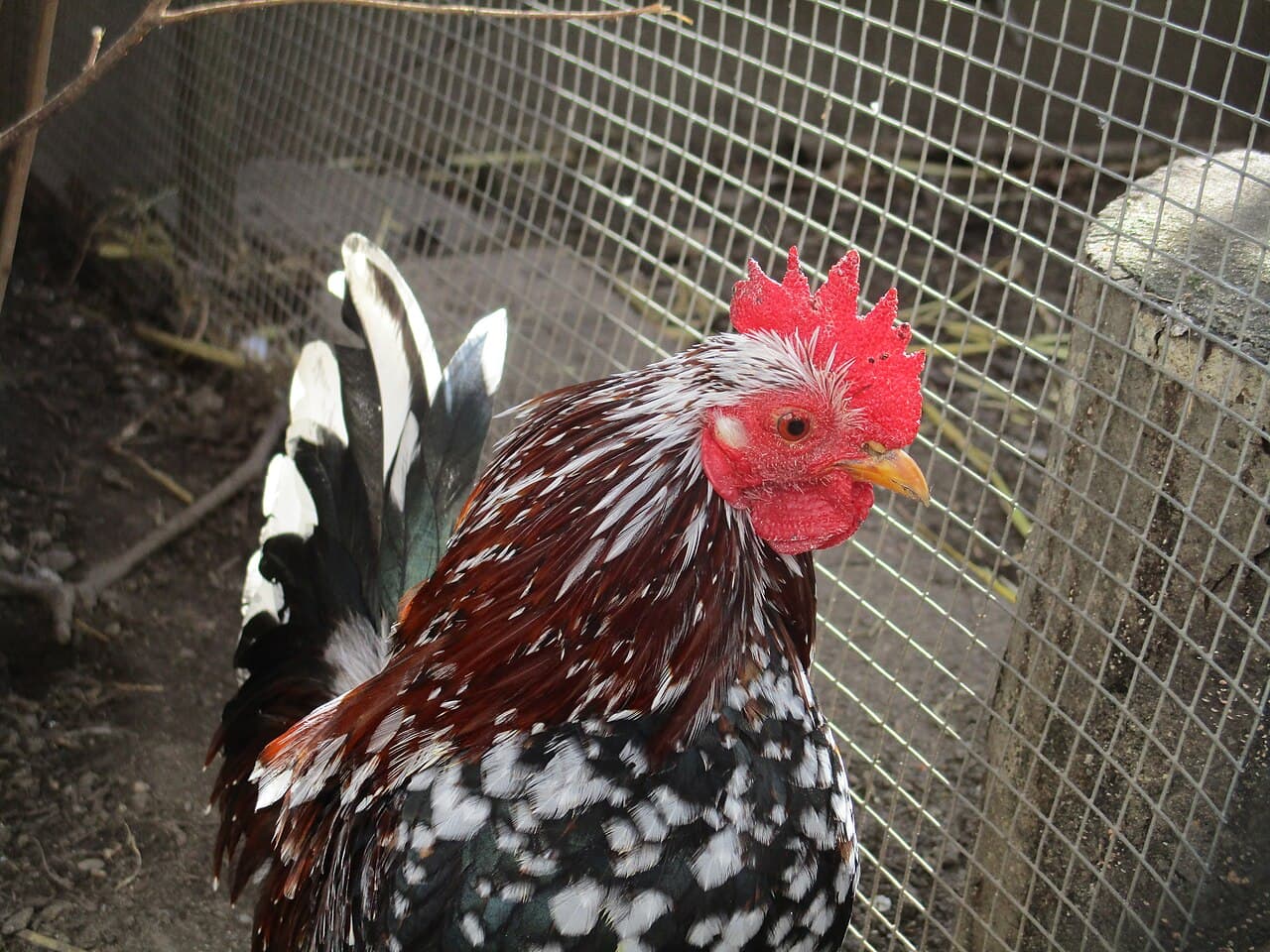
Serama
Overview
The Serama is the smallest chicken breed in the world, developed in the Malaysian state of Kelantan by crossing Japanese bantams with local Malaysian birds. Most adults weigh under 19 ounces — some show-quality birds are under 13 ounces — yet they carry themselves like tiny toy soldiers, with a dramatically upright posture, puffed-out chest, and wings held nearly vertical to the ground. In Malaysia they're beauty-contest birds, judged on pose and attitude as much as plumage.
Despite their assertive, strutting appearance, Seramas are remarkably calm and affectionate. They tame down quickly, enjoy being handled, and are one of the few breeds genuinely suited to indoor or apartment keeping — many owners keep them in large cages or aviaries like parrots. Hens lay surprisingly often, around 4 tiny eggs per week, though it takes roughly five Serama eggs to equal one standard egg. Hens go broody readily and make attentive mothers, but the tiny eggs and chicks are fragile and hatch rates can be low.
The big caveat is climate: these are tropical birds with sparse feathering, and they struggle below about 40°F. In cold regions they need a heated coop or indoor housing through winter. If you want maximum charm in minimum space — and eggs are a bonus rather than the goal — the Serama is the ultimate micro-chicken.
Strengths
- ✓Smallest chicken in the world — thrives in tiny yards, balconies, or even indoor aviaries
- ✓Exceptionally tame and people-oriented, one of the best pure pet chickens available
- ✓Lays more often than most ornamental breeds — around 4 tiny eggs per week
- ✓Hens go broody readily and are devoted, attentive mothers
- ✓Eats very little and takes up minimal coop space, keeping costs low
Trade-offs
- ✗Not cold hardy at all — needs heated housing when temperatures drop below ~40°F
- ✗Eggs are tiny; it takes about five Serama eggs to equal one standard egg
- ✗Essentially no meat value and fragile chicks with lower hatch rates
- ✗Too small and delicate to mix safely with standard-size flocks
- ✗Quality birds can be expensive, and size/type vary widely between breeders
Egg counts are typical figures for a healthy hen in her first laying years, not a guarantee — see how this site works.