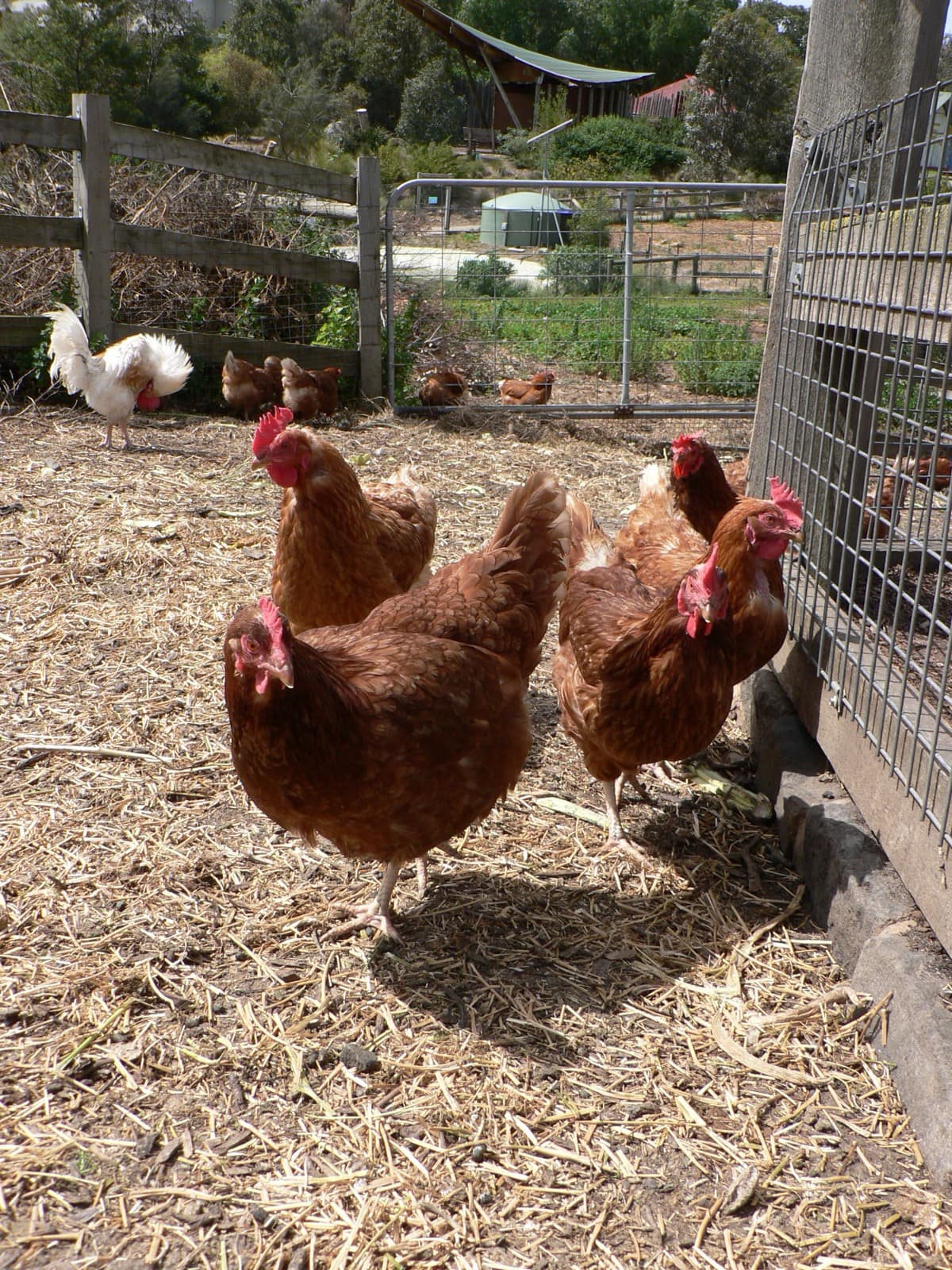
ISA Brown
Overview
The ISA Brown isn't a breed — it's a commercial hybrid engineered in France in the late 1970s (ISA stands for Institut de Sélection Animale) to be the most efficient brown-egg layer on the planet. Mission accomplished: a young ISA Brown lays 300-350 large brown eggs in her first year, out-producing even the mighty Leghorn, and she starts earlier than most breeds too, often at just 4-5 months old.
What surprises people is the personality. For a bird bred purely for production, ISA Browns are remarkably affectionate — they're famous for following their keepers around, hopping into laps, and being the first at the door. Combined with their modest feed appetite and adaptability to nearly any climate, it's easy to see why they're the world's most common commercial hen and a backyard favorite.
The hard truth is that this production comes at a cost. ISA Browns burn through their laying life fast — production drops sharply after two years, and they're markedly prone to reproductive problems like egg-yolk peritonitis, prolapse, and reproductive cancers from age two onward. Their typical lifespan is 3-5 years versus 8+ for heritage breeds. If you want maximum eggs and a friendly bird, and you're prepared for a shorter goodbye, the ISA Brown is unbeatable.
Strengths
- ✓Extraordinary production — 300-350 large brown eggs in the first year
- ✓Starts laying earlier than almost any breed, often by 5 months
- ✓Genuinely affectionate — a production bird that acts like a pet
- ✓Small appetite for the number of eggs produced — excellent feed efficiency
- ✓Adaptable to hot and cold climates and nearly any setup
Trade-offs
- ✗Production drops sharply after about two years of lay
- ✗Prone to reproductive health problems (peritonitis, prolapse, tumors)
- ✗Shorter lifespan than heritage breeds — typically 3-5 years
- ✗A hybrid, so offspring won't breed true
- ✗Low body weight means no real value as a table bird
Egg counts are typical figures for a healthy hen in her first laying years, not a guarantee — see how this site works.